Everyone should feel comfortable on their bike, regardless of experience or goals
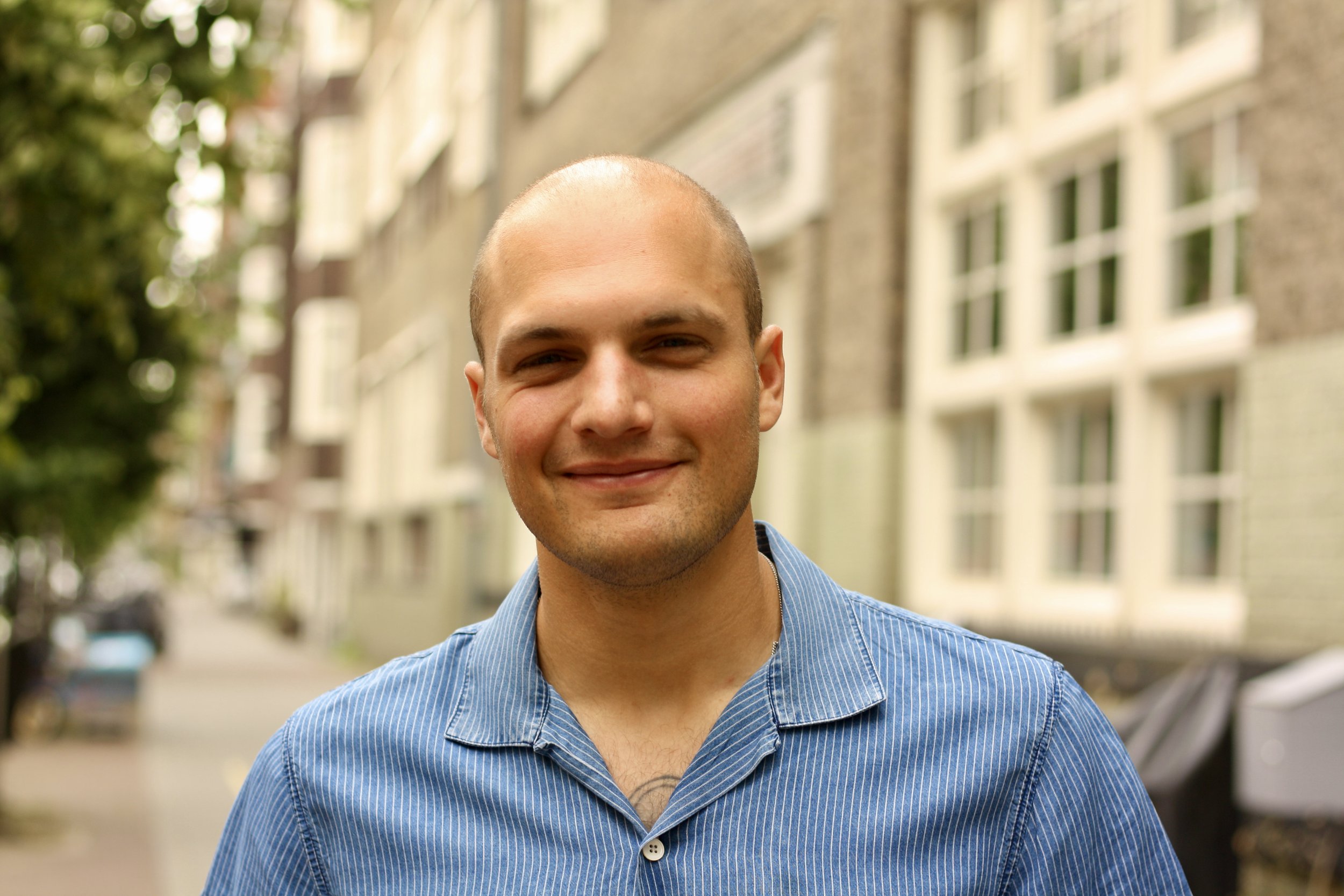
Like most cyclists, when I first started cycling I had no idea that bike fitting existed. As I got into longer rides, I noticed I wasn’t entirely comfortable on the bike. I started scouring books, friends’ brains, and of course, the internet. The more research I did, the more I learned about the importance of positioning and how minute differences, in saddle height for example, can significantly change the way you interact with the bike.
I am what is called a ‘micro adjuster’: someone who feels each tiny adjustment to their position immediately and significantly. This doesn’t mean I’m not comfortable; I’m just hyper aware of these adjustments. Because of this, I learned first hand what effects little changes in bike position can have on the body. The more research I did, the more I kept experimenting with small adjustments, not only on my bike, but also with myself. What happens, for example, when I take two months to stretch my tight hamstrings? What happens when I rotate my pelvis in a different way?
When I started helping others with their fit, I realised that I was not alone in noticing the importance of small adjustments to bike position. Some people feel modifications acutely, some only notice them after a few hours spent on the bike, and others don’t notice these adjustments at all. By using my years of experience, knowledge, rider feedback, and analyses of riders’ responses to external stressors, I have managed to aid cyclists of all types by finding the cause, or causes, of their pain and getting them riding again comfortably.
Over the years, this experience has allowed me to fine tune a unique approach to bike fitting. Rather than relying on normative values, averages, or simply fitting a rider to a set of numbers, I focus on understanding how you move and how your bike can become an extension of that movement. Every rider is different, and the best position is the one that works with your individual body and the way you ride.
I’m particularly proud that this approach has helped so many riders who have struggled with more traditional, computer or numbers focused bike fits. The feedback and reviews we’ve received have been incredibly rewarding, and we’ve become a place riders come to when conventional approaches haven’t solved the problem.
After years of trying out different adjustments and techniques and attending specialised bike fitting courses, the advice I had given to other cyclists about their positions and techniques brought on a steady stream of questions and requests to help with positioning and alleviate pain points.
I found that not only do I enjoy the technical aspect of bike fitting, but I love working with people to bring out the best of themselves. For me, bike fitting is the perfect way to do this, where I can use my years of experience and knowledge to help others.
Because my primary aim is to help you with your fit and cycling life, I offer a No Cure No Pay guarantee, and I’m always ready to answer questions about anything fit related, so do get in touch.
Jelmer
One of my summer holiday memories growing up is listening to the Tour de France on the radio, reading cycling articles in the sports section of the newspaper and looking at the GC standings (Cadel Evans, shout out to you!). Despite that it still took around 15 years for me to get into cycling. My girlfriend and all her relatives insisted on me buying a bike. So I had to. Ever since I bought my first road bike in 2020 I’ve fallen more and more in love with all things cycling. From bikepacking to ultra cycling and from gravel races to cyclocross and track cycling.
After working as a physio for 10 years I felt like it was time to somehow make a bit of room for cycling in my working life. That’s where Jasien came in. Getting to know about bikefitting in the last years through Jasien I slowly noticed my interest in it started to grow. My expertise in physio and biomechanics really helps. Combine this with my passion for cycling and it made bikefitting seem like a logical next step. Over the past months Jasien has taught me a great deal about bikefitting and I don’t expect to stop learning from him any time soon!
Through a good bikefit I would like for everyone to be able to discover the multitude of joy that cycling has to offer.
About the team
Jasien